
Water follows the grade
Driveway, Yard, and Building Pad Grading in Northern Kentucky
Most of the problems people call us about start with grade. The driveway that washes out every spring. The yard that stays soggy for a week after rain. The basement that always smells damp. Water goes where the ground tells it to go, and grading is how we change what the ground says.
The short answer
Pro Innovations grades driveways, yards, and building pads across Northern Kentucky and Greater Cincinnati. We re-cut gravel drives, level rough yards, set positive fall away from foundations, and build compacted pads, with our own dozers, skid steers, and triaxle dump fleet handling the stone and topsoil. Call 859-910-9272 for a walk-through and a firm number.
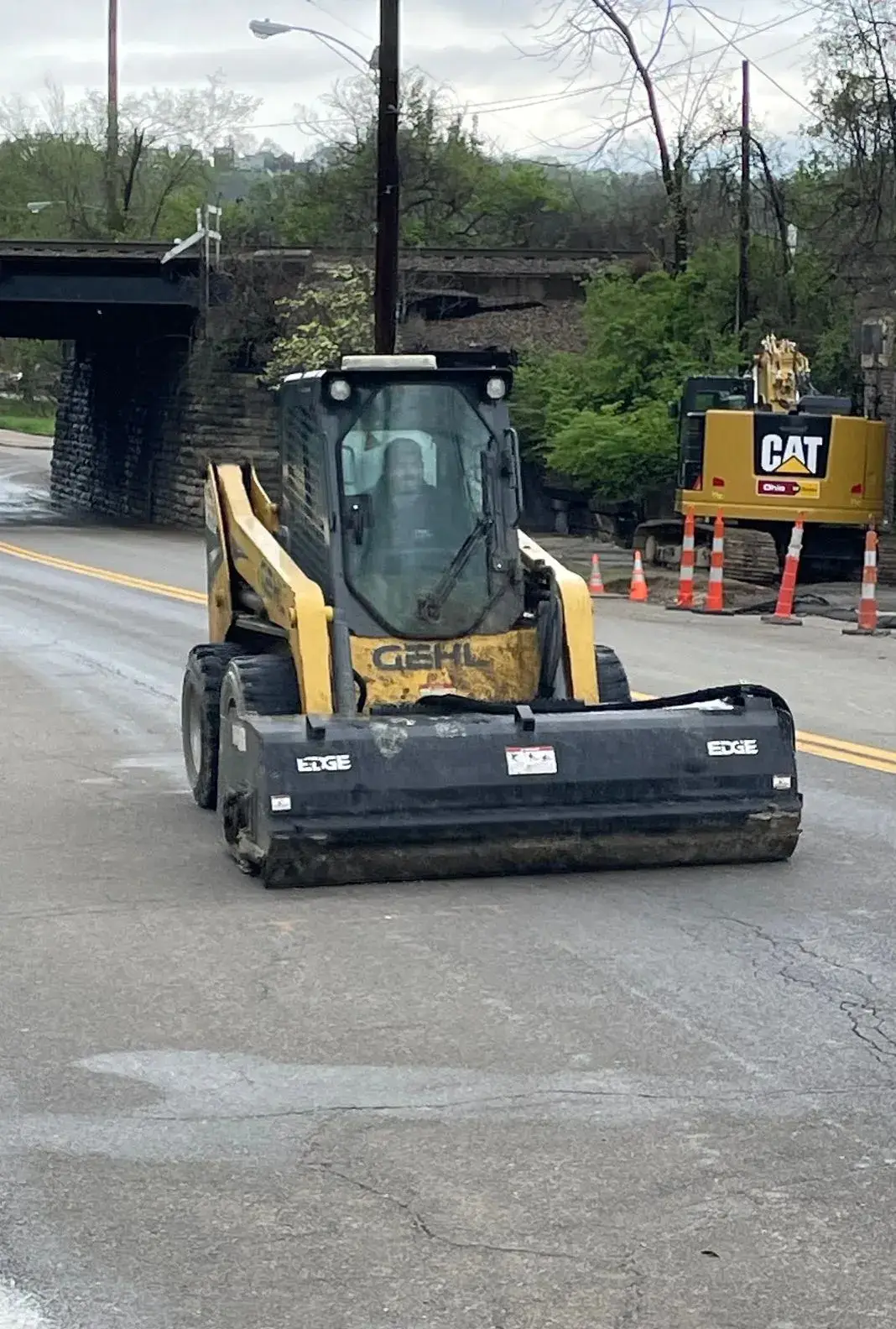
Pro Innovations has been shaping ground for over 35 years, based in Crittenden and covering the I-75 corridor through Grant, Boone, and Kenton counties and on into Greater Cincinnati. We regrade gravel driveways, level yards, cut building pads, and pull the fall away from foundations with our own dozers, track loaders, and skid steers.
And because our own dump fleet brings in the stone and topsoil, the grading, the material, and the cleanup all come from one contractor. One call, one schedule, one crew that owns the result.
When you need us
The driveway washes out every hard rain
Ruts down the middle, gravel in the yard, potholes that come back a week after you fill them. That's water running down the drive instead of off it, and no amount of fresh stone fixes it until the crown and the fall are re-cut.
The ground slopes toward the house
A damp basement smell, water lines on the foundation, mulch floating against the siding after a storm. Backfill settles over the years, and grade that used to fall away from the wall quietly reverses.
The yard never really dries out
On our fragipan ridgetops, water can't soak down past the pan. If the surface doesn't carry it off, it just sits. A soggy yard here isn't bad luck, it's a grade problem with a grading answer.
You're adding a garage, barn, or addition
Every structure starts as a pad, and a pad is a grading job: cut to elevation, filled in compacted lifts, and shaped so water leaves in every direction but through the building.
What this covers
Driveway grading
Crown re-cut, fall corrected, potholes and washboard worked out. A gravel drive that sheds rain instead of channeling it.
Gravel driveway repair
Fresh crusher run or #57 stone, delivered on our own trucks and graded in the same visit.
Regrading away from the house
Positive fall away from the foundation so rain heads for the yard, not the basement wall.
Yard leveling
Ruts, mounds, and low spots smoothed out so you can mow the whole yard without losing a wheel.
Finish grading
The last clean pass over fresh topsoil that makes a new lawn possible, ready for seed and straw.
Building pad grading
Level, compacted pads for garages, barns, and additions, cut to the elevation your plans call for.
What moves the number
We quote after a site walk, not from a satellite photo. These are the honest variables.
How far the grade has drifted
A drive that needs its crown touched up is a lighter job than one that's been channeling water for ten years. The further the shape has gone, the more cutting and material it takes to bring it back.
Stone and topsoil
Material is often the biggest line on a grading quote. Ours comes in on our own trucks, so you're paying for rock and dirt, not a third-party hauler's markup or schedule.
Slope and access
A wide open yard takes a dozer; a strip between two houses takes a skid steer and more passes. Steeper ground and tighter gates mean smaller machines and longer days.
The water problem underneath
If a failed culvert, a silted ditch, or a downspout dumping at the wall caused the bad grade, regrading alone won't hold. Fixing the cause in the same visit costs less than doing the job twice.
What the ground is doing
Saturated clay, fragipan seeps, and buried construction debris all slow a grade down. We walk the site first so the number covers what's actually there.
The finish you want
A rough grade for a pad and a mow-ready lawn grade with topsoil, seed, and straw are different amounts of work. We quote the finish you ask for, straight up.
How much fall does ground need?
| Surface | Target fall | Why it matters |
|---|---|---|
| Ground at the foundation | 6 in of drop in the first 10 ft | The standard for keeping rain out of basements and crawl spaces |
| Lawn areas | 1 to 2 percent minimum | Enough to shed water, gentle enough to mow |
| Gravel driveway crown | About 1/2 in per ft, center to edge | Sheds rain to the sides before it can channel down the drive |
| Drainage swale | 1 to 2 percent along the run | Keeps water moving without cutting a gully |
| Patios and walks | 1/4 in per ft, sloped away from the house | Flatwork that drains toward a wall never stops causing trouble |
Rules of thumb we grade to. Your site may need more, especially on fragipan ground. Call 859-910-9272 and we'll read it in person.
More gravel or a real regrade?
Every gravel driveway owner faces this call eventually. Sometimes a load of stone is genuinely all it needs. Sometimes stone is just money you'll spread again next year. Here's how we tell the difference.
Top-dress with fresh stone
Best for: Drives that still hold their shape: crown intact, water going to the sides, surface just worn thin.
The trade: If the fall is gone, new stone follows the old water paths straight into the same ruts. You're buying gravel every season and it keeps ending up in the yard.
Re-cut the grade, then stone
Best for: Washboard, potholes, a channel down the center, or edges higher than the middle. Anything where water runs down the drive.
The trade: Costs more than a load of gravel up front. But the restored crown and working ditches are what make the stone stay, so it's usually the cheaper drive over five years.
How the job runs
01
Watch the water
We walk the property and read where rain actually goes. The grade plan starts there, not with the machine.
02
Quote it straight
You get a firm number before any dirt moves, covering the grading, the material, and the hauling. No hourly meter, no surprises on the invoice.
03
Cut, fill, and shape
Dozers and skid steers set the fall, stone or topsoil goes down where it's needed, and rollers pack what has to stay put.
04
Prove it out
We check the finished grade against the plan and leave the site clean. On yard work, we can seed and straw the fresh grade before we go.
Most grading work moves fast once we're on site. A gravel driveway re-cut with fresh stone usually runs a day. A yard regrade takes one to two days depending on how much topsoil has to move, and a garage or barn pad one to three with compaction. The honest variable is moisture: wet clay smears instead of grading, so we'd rather slide a job a few days than leave you a surface that won't hold its shape. Material never stalls us, because the stone and topsoil ride in on our own trucks.
Dozers
Rough cuts, big yard reshapes, and setting fall across open ground.
Skid steers
Tight residential access, side yards, and precise finish passes.
Track loaders
Spreading topsoil and stone without tearing up what's already right.
Rollers and compactors
Packing pads and driveway base so the grade you paid for stays put.
triaxle dump fleet
Crusher run, #57 stone, and topsoil delivered on our schedule, not a supplier's.
Grading rewards experience, and we have plenty. Over 35 years of dirt work on Kentucky hill ground teaches you how this soil moves water, and our own dozers, track loaders, skid steers, and rollers, backed by a triaxle dump fleet hauling stone and topsoil, mean the job never stalls waiting on material.
Built for Kentucky ground
The ridgetops where most of Northern Kentucky builds are fragipan country. Nicholson silt loam, whose official type location sits right here in Kenton County, and its cousins Rossmoyne and Avonburg all carry a dense pan two feet or so down that water can't get through. The region takes roughly 43 to 45 inches of rain a year, and on pan ground almost none of it soaks away; it perches on the pan and waits. That changes what grading means here. On soil that drains, grade is cosmetic. On ours, the surface grade IS the drainage system, the only route water has, which is why a quarter inch of fall in the wrong direction shows up as a wet basement.
The slopes are a different problem. Under them sits the Kope Formation, roughly three-quarters soft shale, which weathers into the clay that has made this region famous for landslides. That clay is strong dry and weak wet, so grading on a hillside is really water management: never concentrate runoff onto a slope, never leave a cut face wet, and place fill in compacted lifts instead of pushing it over the edge. Add a winter of freeze and thaw working water into every exposed cut and heaving gravel drives into washboard, and you understand why spring is our busiest regrading season, and why 35 years of reading this specific ground is worth more than any machine we own.
Questions we hear a lot
How much does driveway grading cost?
It depends on the length of the drive, how far the grade has drifted, and how much stone it needs. We walk it first and give you a firm number that includes material and delivery, since the stone comes in on our own trucks.
Can you fix a gravel driveway that washes out every rain?
Yes, and the fix is rarely just more gravel. Washouts mean water is running down the drive instead of off it, so we re-cut the crown, restore the fall to the sides, and sort out the ditch or culvert that should be carrying that water. Then the fresh stone stays where we put it.
What is the difference between rough grading and finish grading?
Rough grading sets the shape of the site, the fall, the elevations, the pad. Finish grading is the last pass that smooths topsoil into a surface ready for seed. We do both, and on most yard jobs we'll seed and straw the fresh grade before we leave.
Can grading stop water from getting into my basement?
Often, yes. A lot of wet basements start with ground that slopes toward the house, and regrading for positive fall away from the foundation is the first move. Where the lot is tight or the soil is heavy clay, like plenty of Boone and Kenton subdivisions, we'll pair the regrade with drainage work so the water has somewhere to go.
Can you level a rough or rutted yard?
Yes. We work out the ruts and low spots, bring in topsoil where it's thin, and leave a grade you can actually mow. If construction traffic tore the yard up, we can rebuild it from the dirt up.
How much slope should a yard have away from the house?
The standard is 6 inches of fall in the first 10 feet from the foundation, and on our fragipan ground more is better, because the water that doesn't run off has nowhere to soak. Past that first 10 feet, 1 to 2 percent keeps the rest of the yard shedding without making it hard to mow.
What kind of gravel is best for a driveway?
Crusher run packs tight because of the fines in it, so it's the workhorse for the base and the driving surface. #57 is clean stone that drains well but stays looser underfoot. A lot of drives here run crusher run with #57 where drainage matters, and both come in on our own trucks.
What time of year is best for grading in Kentucky?
Late spring through fall, when the clay is workable. Through winter and early spring our soils sit saturated above the fragipan and smear instead of grading clean. We'll tell you straight if your job is worth waiting two weeks for, because a grade cut into mud doesn't hold.
Can you build a pad for a garage or pole barn?
Yes, that's bread and butter for us. We cut to your plan elevation, build up fill in compacted lifts, and shape the ground around the pad so water leaves on every side. If concrete comes next, our flatwork crew can pour it, same contractor start to finish.
Will grading tear up my existing lawn?
In the area we regrade, yes, there's no honest way around disturbing the surface. What we can promise is a tight footprint, a clean finish grade, and seed and straw down before we leave so the disturbed ground comes back as lawn instead of mud.
Grading near you
Local pages for the towns where this work keeps our crews busiest.
Often paired with
Ready to talk grading?
Walk us through the project and we'll walk the site. Straight answers, firm numbers, one contractor.